Menu
Menu




Top Ranked Fencers
Epee
 Sera SONG
When and where did you begin this sport?
She began fencing at junior high school in Geumsan County, Republic of Korea.
Why this sport?
Her physical education teacher suggested the sport to her.
Learn more→ Gergely SIKLOSI
When and where did you begin this sport?
He began fencing at age seven. "I was doing it for fun until around 14 when I beat the Hungarian No. 1 at that time, and realised that this is serious, for real."
Why this sport?
"When I first tried [fencing], I felt like 'this is me'. Fencing is not only about physical or technical capabilities, it's also about mind games. It's not the fastest or the strongest who wins. It's the one who can put the whole cake together."
Learn more→Foil
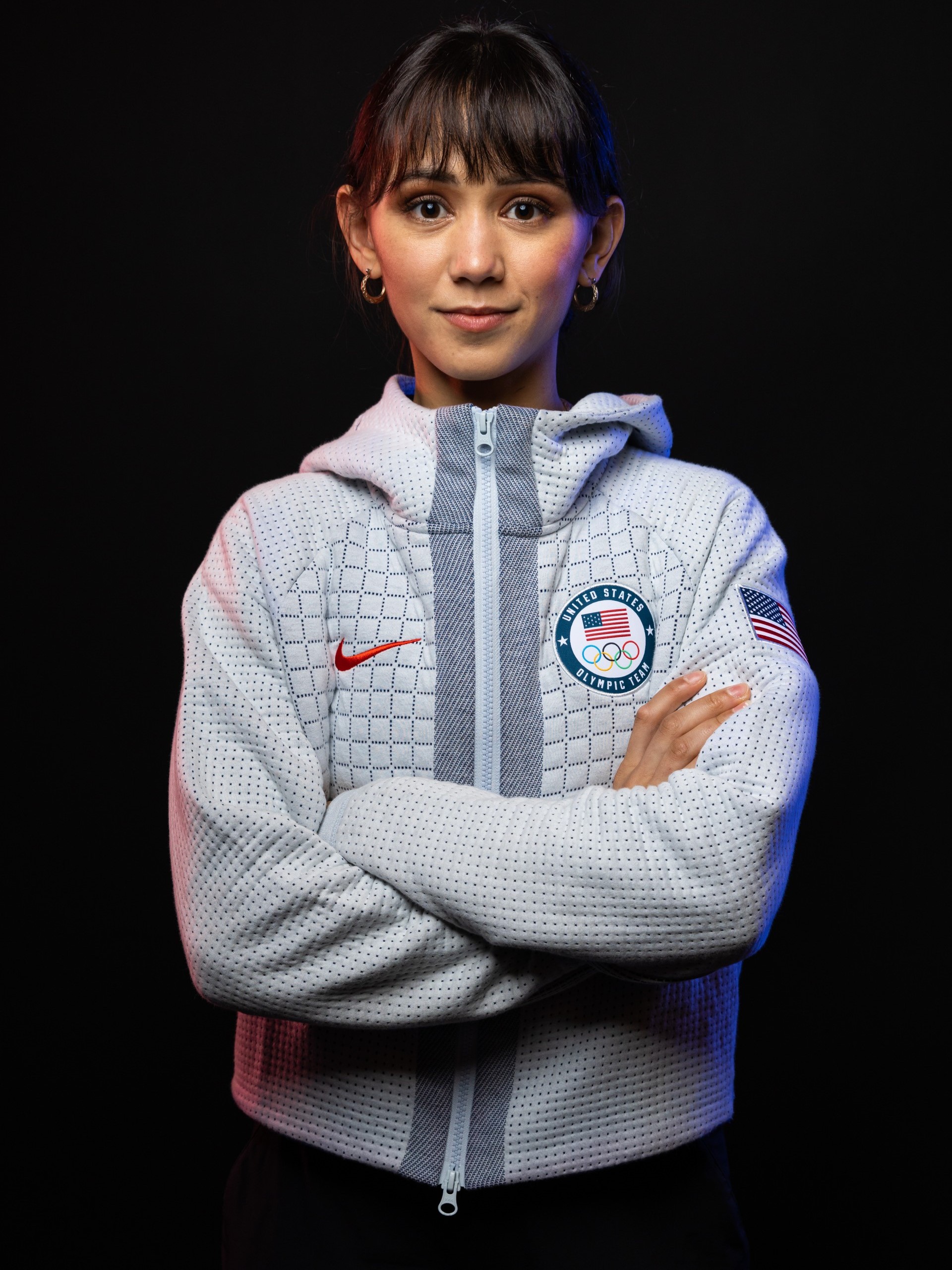 Lee KIEFER
When and where did you begin this sport?
She began fencing at age six after watching her father fence at a local competition. "My siblings and I thought the sport was strange and interesting-appearing, so my dad started teaching us the basics in our empty dining room and taking us to a club twice a week that was 1.5 hours away from where we lived."
Why this sport?
She and her brother and sister followed their father, Steve Kiefer, into the sport. "Growing up my dad decided that he wanted to take up fencing again. He hadn't picked up a foil in 10 or 15 years, and me and my siblings watched him compete at a local tournament. Then he asked if we wanted to try it, and we said yes. Twenty years later I'm still doing it."
Learn more→ Chun Yin Ryan CHOI
When and where did you begin this sport?
He began fencing in grade four of primary school.
Why this sport?
His mother forced him to go to a fencing lesson. "I didn't really want to go, but my mother made me because it was run by a friend of hers and they wanted more students. But, after the class, I loved it and wanted to continue."
Learn more→Sabre
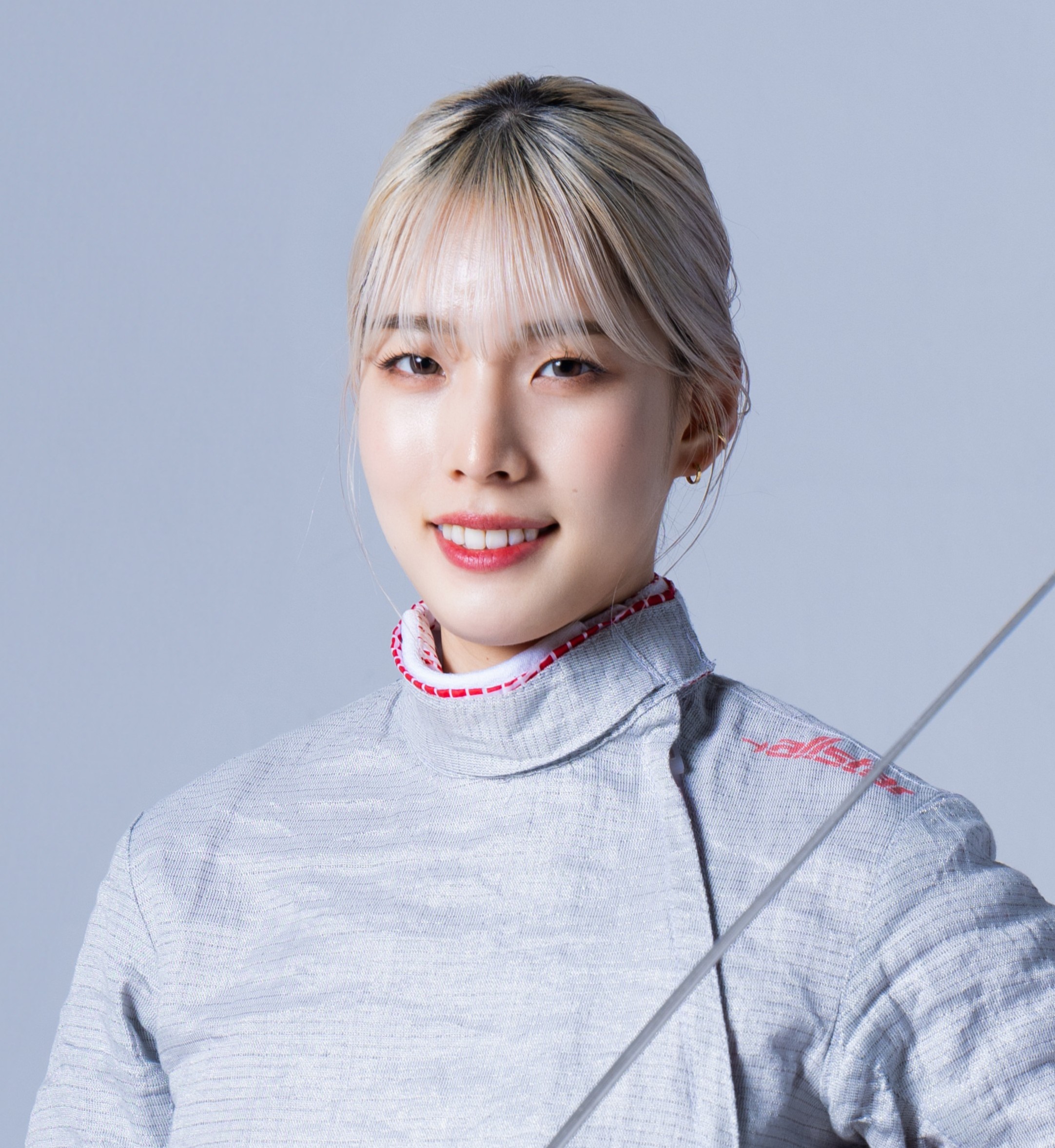 Misaki EMURA
When and where did you begin this sport?
She began fencing at age nine.
Why this sport?
She was encouraged to try the sport by her parents, and went to a fencing class where her father coached. She took up foil in grade three of primary school, but competed in sabre at a competition which had a prize of a jigsaw puzzle. She then switched to sabre before starting middle school.
Learn more→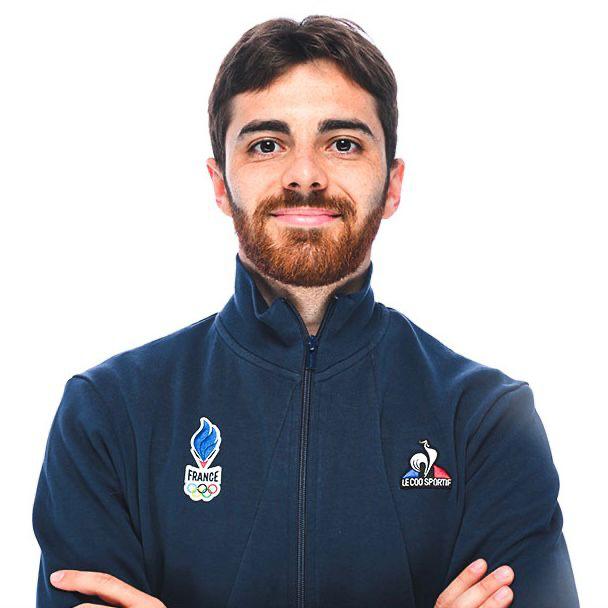 Jean-Philippe PATRICELearn more→
Results & Competitions
Latest Results
| Competition | Date | Weapon | Gender | Cat |
|---|---|---|---|---|
| Medellín | 2026-05-08 | epee | M | |
| Istanbul | 2026-05-03 | foil | F | |
| Istanbul | 2026-05-03 | foil | M | |
| Incheon | 2026-05-02 | sabre | F | |
| Incheon | 2026-05-01 | sabre | M |
Upcoming Competitions
| Competition | Date | Weapon | Gender | Cat |
|---|---|---|---|---|
| Medellín | 2026-05-09 | epee | F | |
| Shanghai | 2026-05-15 | foil | M | |
| Shanghai | 2026-05-16 | foil | F | |
| Cairo | 2026-05-22 | sabre | M | |
| St-Maur | 2026-05-22 | epee | F |
Historically, the "T" was often marginalized even within the queer community. However, the last decade has seen a cultural shift—the "Transgender Tipping Point"—where trans visibility in media, politics, and art has forced a broader conversation about what it means to live authentically. Language and Identity
I'll structure it with clear headings for readability: an intro, historical roots, defining terms, challenges, cultural impact, intersectionality, and a hopeful conclusion. The length needs to be "long article" level, probably over 1500 words, with depth in each section. Avoid jargon or define it. Make sure to center trans voices and experiences, not just list facts. Let me start writing. is a long-form article exploring the deep connection between the transgender community and the broader LGBTQ culture.
The early 2010s brought a media explosion, dubbed the "Transgender Tipping Point" by Time magazine (featuring Laverne Cox on its cover in 2014). Figures like Cox, Janet Mock, and Chaz Bono became household names. Suddenly, the broader LGBTQ culture had to pivot from defending sexual orientation to explaining gender identity .
To speak of LGBTQ+ culture without centering transgender people would be like telling the story of a river while ignoring its source. While often grouped together for political and social solidarity, the "T" is not a footnote to the "LGB." Transgender and gender non-conforming (TGNC) people have been pivotal leaders in every major milestone of the queer rights movement, from the Compton’s Cafeteria Riot in San Francisco (1966)—three years before the more famous Stonewall uprising—to the front lines of the AIDS crisis, where trans women of color fought for healthcare and dignity. Best Free Shemale Tubes
The transgender community is not a separate wing of a shared house; it is the foundation of the structure. The very idea that gender is a performance, that identity is a choice, and that conformity is a cage—these are lessons taught by trans pioneers.
This cultural influence extends to art, fashion, and performance. From the underground ballroom culture of Paris Is Burning , which birthed voguing and much of modern hip-hop vernacular, to the mainstream visibility of figures like Laverne Cox, Elliot Page, and Hunter Schafer, trans artists have reshaped how we think about beauty, narrative, and truth.
The "T" is not a footnote. It is the future. And the future is here. Historically, the "T" was often marginalized even within
As of the mid-2020s, the transgender community is under the most intense political attack in a generation. In the United States and globally, legislatures have proposed hundreds of bills banning gender-affirming care for minors, restricting trans athletes from sports, and forcing teachers to "out" trans students to parents.
The modern LGBTQ liberation movement was built on foundations laid by transgender and gender-nonconforming individuals. Historically, the boundaries between sexual orientation and gender identity were fluid, with marginalized groups finding safety in shared spaces. The Spark of Modern Liberation
The mainstreaming of pronoun sharing (he/him, she/her, they/them, ze/hir) is a cultural shift driven by transgender and non-binary advocacy. In LGBTQ spaces, introducing oneself with pronouns is a standard practice of respect, signal-boosting the reality that gender cannot be assumed based on physical appearance. Cultural Contributions and Creative Expression The length needs to be "long article" level,
Finding the best free shemale tubes involves considering factors like user experience, content quality, safety, and community interaction. Always prioritize legal and ethical viewing practices. The online landscape is constantly evolving, so staying informed about the latest platforms and best practices is key to a satisfying viewing experience.
He realized that while the internet is often a place of fleeting glances, the architecture he built could be used for something more. He wasn't just managing a tube site anymore; he was tending a digital garden where, beneath the surface of the search terms, real people were finally finding each other.
A transgender person can have any sexual orientation. A trans man might be gay, straight, bisexual, or asexual. Integrating the "T" into the LGBTQ+ acronym represents a political and social alliance rather than a categorization of desire. This alliance acknowledges that both groups challenge rigid, traditional patriarchal norms regarding gender roles and heteronormativity. Cultural Contributions and Language
The article needs to be respectful, accurate, and current. I should cover history, like Stonewall and the role of trans figures like Marsha P. Johnson. Then explain modern identity terms, challenges like healthcare and violence, and celebrate cultural contributions. A section on intersectionality is crucial, highlighting the experiences of trans women of color. Finally, end with a forward-looking note on progress and allyship. The tone should be educational but engaging, affirming the subject's significance without being overly academic.