Find out if your music will be turned down by YouTube, Spotify, TIDAL, Apple Music and more. Discover your music's Loudness Penalty score, for free.

Drag and drop an audio file here

Choose an audio file

MP3 or WAV

select a file

Your file will not be uploaded, stored or shared, meaning this process is secure and anonymous.

Online streaming services are turning down loud songs.

We all hate sudden changes in loudness - they're the #1 source of user complaints.

To avoid this and save us from being "blasted" unexpectedly, online streaming services measure loudness, and turn down music recorded at higher levels. We call this reduction the "Loudness Penalty" - the higher the level your music is mastered at, the bigger the penalty could be. But all the streaming services achieve this in different ways, and give different values, which makes it really hard to know how big the Loudness Penalty will be for your music...

Until now.

Simply select any WAV, MP3 or AAC file above, and within seconds we'll provide you with an accurate measurement of the Loudness Penalty for your music on many of the most popular music streaming services, and allow you to preview how it will sound for easy comparison with your favorite reference material.

Your file will not be uploaded, meaning this process is secure and anonymous.

Do you have any questions? Get in touch.

Processing audio

(but NOT uploading)

RESULTS (in dB)

0 YouTube
0 Spotify
0 TIDAL
0 Apple
0 Amazon
0 Pandora
0 Deezer

Want to take control of the Loudness Penalty for your music?

Get a detailed report for this file, plus a short series on optimizing for streaming.

Analyze another file

We just sent you an email with your report!

Analyze another file Visit MeterPlugs.com

2021 - Nwoleakscomniks2mkv

Accessing content through platforms like NWOLeaks (which often masks its links through various redirects) poses several risks:

The inclusion of in the keyword is significant. In the world of digital archives:

: Automating this process across thousands of files simultaneously via command-line execution (such as Bash or Python automation), completely bypassing the need for slow, manual GUI tools. Security and Infrastructure Context nwoleakscomniks2mkv 2021

Keywords like "nwoleakscomniks2mkv" are rarely random. They often break down into specific identifiers used by data aggregators or leak repositories:

To understand what a complex string like this means, it helps to isolate its individual components: They often break down into specific identifiers used

Leaked PDFs, emails, or internal company documents.

: Archivists can remux raw streams into .mkv containers to preserve original digital signatures and video quality exactly as it was leaked. To completely understand this term, it must be

The keyword points to a highly obscure, specialized intersection of automated data archiving, video container converting, and internet leak distribution networks. To completely understand this term, it must be broken down into its functional components: nwoleaks.com (the platform), niks2mkv (the script or tool), and 2021 (the epoch of the leak or release). Deconstructing the Keyword

Malicious actors sometimes generate millions of random, text-heavy pages containing alphanumeric strings. They do this to capture accidental search traffic from users looking for obscure files, aiming to redirect them to ad-heavy or unsafe spaces. Cybersecurity and Safe Browsing Practices
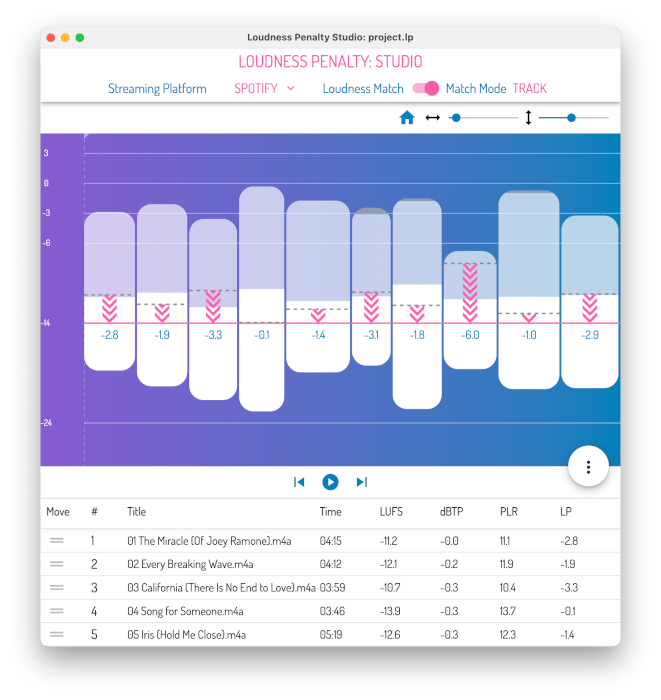
Scroll down to learn more about "Loudness Penalty"
Scroll down to learn what these numbers mean