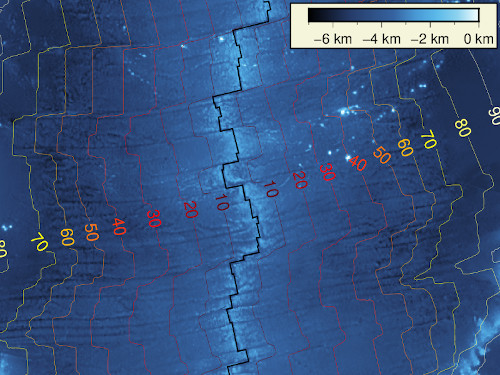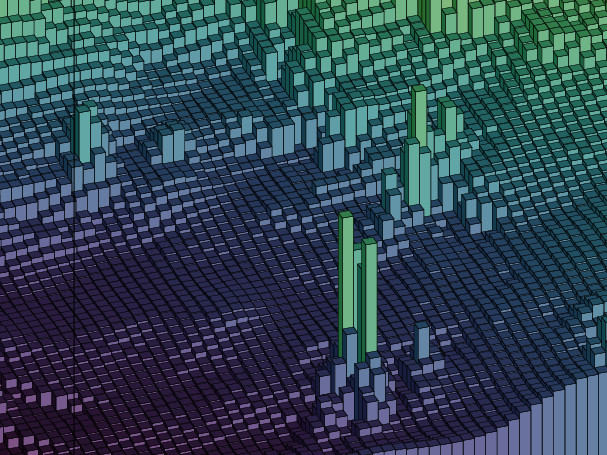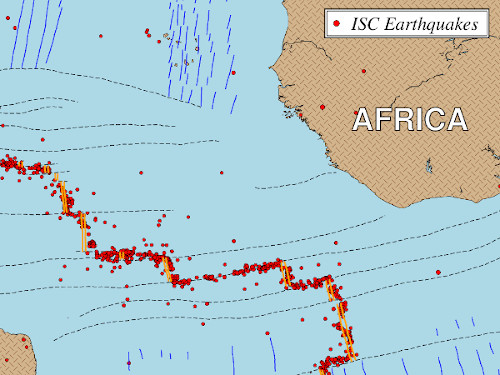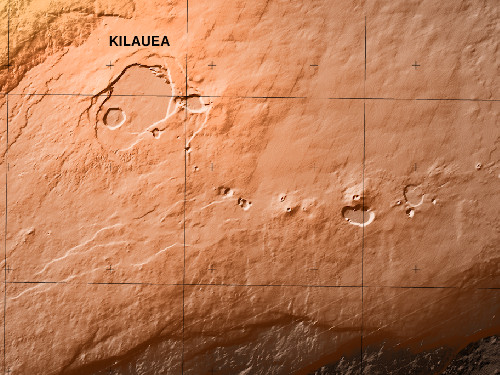
The Generic Mapping Tools (GMT) are widely used across the Earth, Ocean, and Planetary sciences and beyond. A diverse community uses GMT to process data, generate publication-quality illustrations, automate workflows, and make animations. Scientific journals, posters at meetings, Wikipedia pages, and many more publications display illustrations made by GMT. And the best part: it is free, open source software licensed under the LGPL.
Got questions? Join the friendly GMT Community Forum to get help and connect with other users and developers.
Want to use GMT in MATLAB/Octave, Julia, or Python? Check out the GMT interfaces!
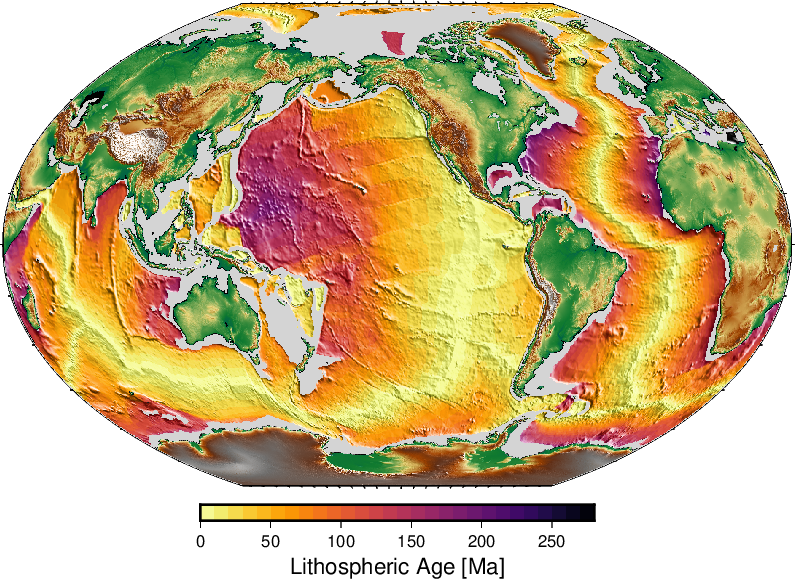
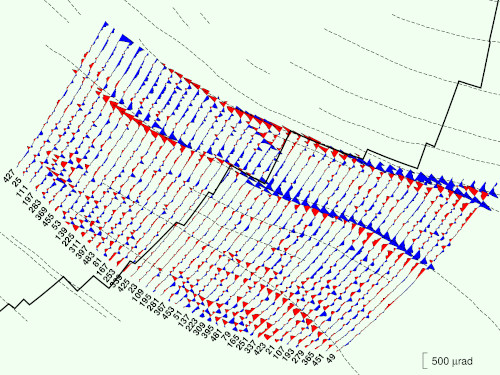
Whether Cartesian, geographic, or time-series, GMT can process your data. GMT enables you to explore new ways to analyze data and to build custom displays for drafts, publications, or final presentations. GMT allows unlimited customization via scripting in several languages.
Visit our Documentation page to find out all that GMT can do for you.
Used GMT in your research? Please consider citing GMT so we can justify the continued development efforts.
GMT has been used from UNIX and Windows command lines for decades. More recently, GMT has been rebuilt as an Application Programming Interface (API) and can now be accessed via wrapper libraries from MATLAB/Octave, Julia, and Python, as well from custom programs written in C or C++.
See all the projects the team is working on in the Ecosystem page.
Want to see the code? All development happens through GitHub in our GenericMappingTools account.

This public link is valid for 7 days and shares a thread, including any personal information you added. This link or copies made by others cannot be deleted. If you share with third parties, their policies apply. Can’t copy the link right now. Try again later.
Whether you are a researcher looking into 1970s animation techniques, a music enthusiast hunting for the warm sound of vintage Disney vinyl, or a fan wanting to relive the childhood magic of a read-along storybook, the Internet Archive serves as an indispensable bridge between past artistry and future accessibility. Through collective volunteer efforts, Thomas O’Malley, Duchess, and her three talented kittens continue to swing in the digital world, proving that truly, "everybody wants to be a cat."
A search for "The Aristocats" on the Internet Archive will yield a range of results:
High-fidelity rips of the original 1970 Disneyland Records LP, including the storyteller versions that featured narrated storybooks alongside the music.
: The Aristocats is not in the public domain. It remains under copyright by Disney. Therefore, full, authorized copies of the movie are not available for free streaming or download on the Internet Archive through official channels. the aristocats internet archive
As an AI, I cannot provide direct links to copyrighted material that is being distributed without authorization. However, I can guide you on how to use the Internet Archive effectively to find legitimate content related to the movie.
When users search for "The Aristocats" on the Internet Archive, they unlock a multi-layered historical archive that extends far beyond the 78-minute feature film. Available Materials for "The Aristocats" on the Archive
The Internet Archive serves as a digital time capsule. While commercial streaming platforms offer the polished, finalized version of The Aristocats , they often lack the historical context that surrounds the movie's creation and release. The Internet Archive fills this gap by hosting a diverse array of community-uploaded and institutional media, including:
Many user-uploaded items fall under fair-use definitions for educational, research, and historical review purposes. This public link is valid for 7 days
One Tuesday, during a routine server backup, a glitch—a tiny, shimmering spark in the metadata—gave the cats a way out. Thomas O'Malley, ever the alley cat, didn't need a second invitation. He hopped over a firewall and landed squarely in the "Community Video" section.
Released in 1970, The Aristocats is a beloved animated musical comedy produced by Walt Disney Productions. Set in Paris, the story follows Duchess, a refined mother cat, and her three kittens, who are kidnapped by a butler seeking an inheritance. They are saved by Thomas O'Malley, an alley cat, and his jazz-playing friends.
Out-of-print biographies of the animators (the "Nine Old Men") and vintage Disney studio newsletters discussing the production of the film are accessible via the Open Library initiative. Copyright and Access Realities
Generally, full-length, high-definition copies of the commercial film are subject to takedown notices and are rarely hosted permanently on the site. Instead, the archive excels at preserving orphaned works —items like promotional booklets, promotional sliders, and out-of-print audio recordings that are no longer commercially viable for Disney to distribute, but hold immense historical value. Why Digital Preservation Matters Can’t copy the link right now
Popular in the 1970s and 1980s, these vinyl records and cassettes allowed children to read along with a narrator. High-quality audio rips and scanned pages of these books are widely preserved on the site.
To access The Aristocats on the Internet Archive, follow these steps:
The film boasted an impressive voice cast, including Phil Harris as O’Malley, Eva Gabor as Duchess, and Scatman Crothers as one of the jazz-playing alley cats who help the family return home. With a budget of $4 million, it required more than 325,000 drawings created by 35 animators, spread across 1,125 separate scenes using 900 painted backgrounds. Upon its December 1970 release, The Aristocats earned generally positive reviews and became a commercial success, grossing $191 million worldwide.
So what does a search for “The Aristocats Internet Archive” actually yield? The results are more nuanced than many casual users expect.